Sponsor Family to Canada
Canada places strong emphasis on family reunification, allowing Canadian citizens and permanent residents to sponsor eligible family members for Permanent Residence (PR). Family sponsorship programs are designed to help families live together permanently in Canada while maintaining strict eligibility and compliance standards.
This page provides a comprehensive overview of Canada's family sponsorship programs, eligibility requirements, application process, timelines, and responsibilities. Each sponsorship category listed here will later expand into its own detailed page.
Sponsoring eligible family members
Canadian immigration law allows sponsorship of specific family members under defined categories.
- Spouse or Common-Law Partner Sponsorship
- Conjugal Partner Sponsorship (limited cases)
- Dependent Children Sponsorship
- Parents and Grandparents Program (PGP)
- Other Eligible Relatives (exceptional circumstances)
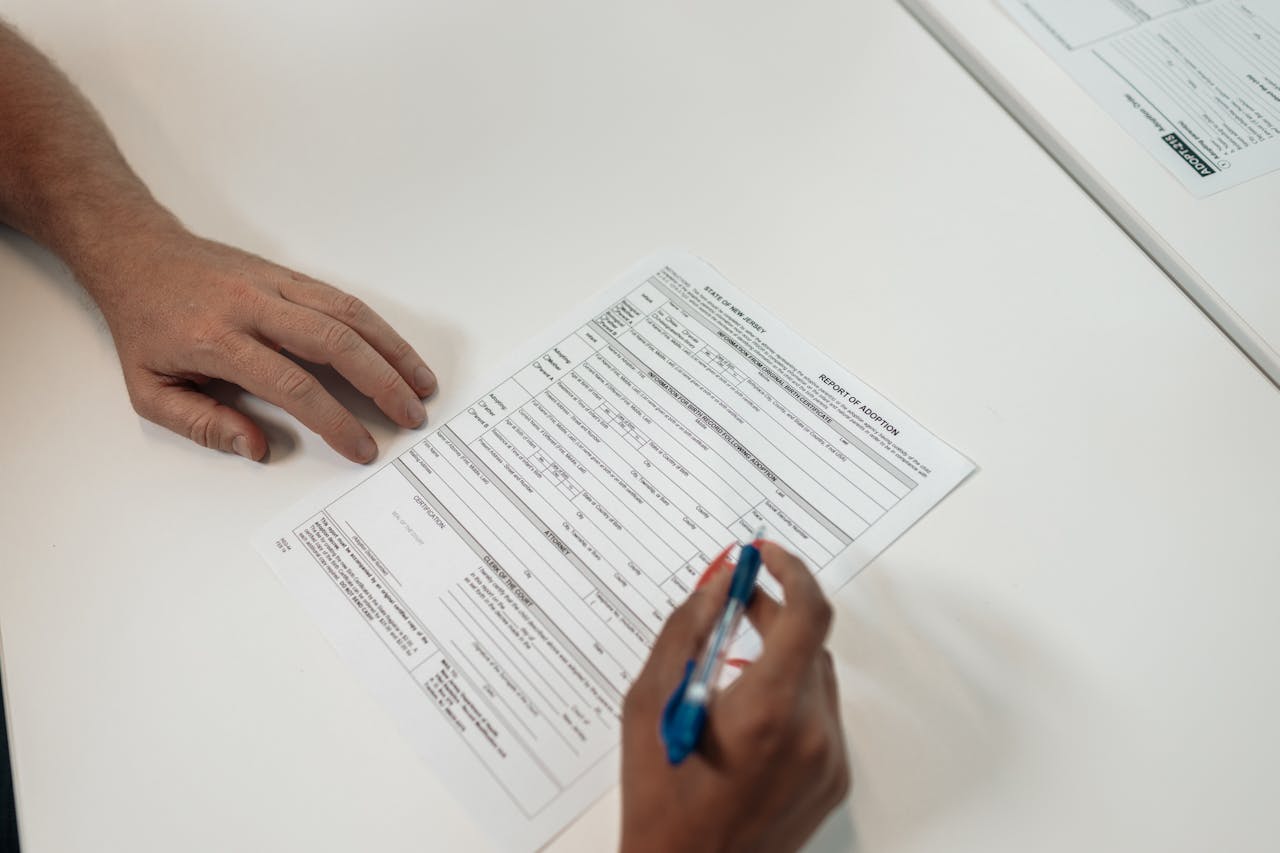
Spouses, common-law and conjugal partners
Canadian citizens and permanent residents may sponsor their spouse, common-law partner, or conjugal partner for permanent residence. Applications may be submitted through in-Canada or outland processes, depending on the applicant's location.
Key considerations
- Relationship must be genuine and not entered into for immigration purposes
- Extensive relationship documentation is required
- Open work permit options may be available for in-Canada applicants
Dependent and adopted children
Eligible sponsors may sponsor dependent children, including adopted children, to become permanent residents of Canada.
Eligibility highlights
- Child must meet age and dependency definitions
- Biological or legally adopted relationship required
- Medical and background checks apply
Bringing parents and grandparents to Canada
The Parents and Grandparents Program (PGP) allows eligible sponsors to bring their parents or grandparents to Canada as permanent residents. Due to high demand, this program operates through an invitation-based system.
Alternative option
Where PR sponsorship is not immediately available, families may consider the Super Visa, allowing long-term temporary stays.
Other eligible relatives
In limited circumstances, Canadian sponsors may sponsor other relatives, such as orphaned siblings, nieces, or nephews, provided specific legal criteria are met. These cases require careful eligibility assessment.
Who can be a sponsor
- Canadian citizen or permanent resident
- At least 18 years of age
- Residing in Canada (or intent to return, for citizens)
- Ability to meet financial obligations
- No serious criminal, financial, or immigration violations

The undertaking agreement
Sponsors must sign an undertaking agreement committing to financially support the sponsored family member for a specified period. This includes basic needs such as housing, food, and healthcare not covered by public services.
Undertaking periods vary by relationship category.
How the process works
- Confirm eligibilityConfirm sponsor and applicant eligibility.
- Prepare documentationPrepare relationship and financial documentation.
- Submit applicationsSubmit sponsorship and PR applications.
- ChecksBiometrics, medical, and background checks.
- DecisionApplication review and final decision.
Timelines vary by category
Processing times vary based on sponsorship category, applicant location, and application volume.
Check official IRCC processing times.
What to avoid
- Insufficient relationship evidence
- Incomplete or inconsistent documentation
- Financial ineligibility
- Misrepresentation or omissions
Our approach
- Relationship documentation strategy
- Refusal-prevention approach
- Super Visa and PR planning alignment
- Compliance-focused application handling
Take the first step toward your future
Take the first step toward your future in Canada or the UK. Our regulated advisors are ready to assess your eligibility. Free confidential assessment, no obligation.
Ready to start?
Book a consultation, or ask Mariam for a grounded answer.